

So, you’re wondering what this “unleashing the power of the brain” thing is all about? In a nutshell, it’s about tapping into your brain’s incredible capacity for learning, adapting, and performing better, not through some magic trick, but by understanding how it works and making smart, consistent choices. It’s less about suddenly becoming a genius and more about making your existing brain function at its best, day in and day out. Think of it as upgrading your operating system with some well-researched tweaks and better maintenance.
One of the most exciting discoveries about our brains is neuroplasticity. Forget the old idea that your brain is fixed after a certain age; it’s actually quite malleable.
Pathways Forming and Reforming
Neuroplasticity fundamentally means your brain can change its structure and function in response to experience. Every time you learn something new, practice a skill, or even have a new thought, you’re physically rewiring your brain. New neural connections are formed, and existing ones can be strengthened or weakened.
Learning as a Physical Act
When you learn to play a musical instrument, for example, the areas of your brain responsible for fine motor control and auditory processing become more interconnected and efficient. This isn’t just happening metaphorically; actual physical changes are occurring. Your brain is literally building new infrastructure to support your new skill.
The “Use It or Lose It” Principle
Conversely, if you stop using certain skills or knowledge, those neural pathways can weaken. This is the “use it or lose it” principle in action. Maintaining your cognitive abilities means actively engaging your brain.
How Neuroplasticity Affects Everyday Life
This constant rewiring has profound implications for everything from recovering from injury to mastering a new language. It’s the foundation for why learning is possible at any age and why developing new habits is achievable.
Overcoming Challenges
For people recovering from strokes or brain injuries, neuroplasticity is the key to regaining lost functions. Therapies leverage the brain’s ability to reroute pathways and compensate for damaged areas. This demonstrates just how resilient and adaptable the brain is.
Lifelong Learning and Skill Acquisition
Whether it’s picking up a new hobby, learning a new software program for work, or understanding a complex subject, neuroplasticity is what makes it possible. It means your brain isn’t a finished product but a constantly evolving one.
Recent research has explored the intricate relationship between cognitive processes and language acquisition, shedding light on how our brain functions during learning. For a deeper understanding of this topic, you can read the article on psychological perspectives and language learning strategies, which discusses efficient methods for language acquisition. To learn more, visit this article.
Fueling Your Brain: The Importance of Nutrition
You’ve heard it a million times: “You are what you eat.” For your brain, this is particularly true. The food you consume directly impacts its structure, function, and overall health.
The Brain’s Gigantic Appetite
Your brain is a high-energy organ, consuming about 20% of your body’s total energy and oxygen, despite being only about 2% of your body weight. This massive demand means it needs a constant, high-quality supply of fuel.
Macronutrients: The Building Blocks
Proteins, fats, and carbohydrates are your brain’s primary fuel sources.
- Carbohydrates: These are converted into glucose, the brain’s preferred energy source. Opt for complex carbohydrates like whole grains, fruits, and vegetables for a steady release of energy, avoiding the sharp spikes and crashes associated with refined sugars.
- Fats: Essential for brain cell membranes and insulation (myelin sheath), which speeds up nerve signal transmission. Omega-3 fatty acids (found in fatty fish, flaxseeds, and walnuts) are particularly crucial for brain health, supporting memory and cognitive function.
- Proteins: Broken down into amino acids, which are used to produce neurotransmitters – the chemical messengers that allow brain cells to communicate.
Micronutrients: The Essential Helpers
Vitamins and minerals, though needed in smaller amounts, are vital catalysts for countless brain processes.
- B Vitamins (B6, B12, Folate): Crucial for nerve function, DNA synthesis, and the production of neurotransmitters. Deficiencies can lead to cognitive impairment and mood disorders.
- Vitamin D: Plays a role in brain development and function, and its deficiency has been linked to an increased risk of depression and cognitive decline.
- Antioxidants (Vitamins C, E, Beta-carotene): These protect brain cells from damage caused by free radicals, which are unstable molecules that can contribute to aging and disease. Berries, leafy greens, and nuts are excellent sources.
- Minerals (Iron, Zinc, Magnesium, Iodine): Iron is essential for oxygen transport to the brain. Zinc is involved in nerve signaling. Magnesium plays a role in learning and memory. Iodine is critical for thyroid hormones that regulate brain development.
Hydration: More Than Just Thirst
Dehydration, even mild dehydration, can significantly impact cognitive function.
Impact on Concentration and Mood
When you’re not drinking enough water, your brain cells can shrink slightly, leading to a decrease in blood flow and reduced efficiency. This can manifest as difficulty concentrating, headaches, fatigue, and irritability.
The Simple Solution
Keeping a water bottle handy throughout the day and sipping regularly is a remarkably effective way to keep your brain operating optimally. Don’t wait until you feel thirsty; by then, you’re already slightly dehydrated.
Sleep: The Brain’s Essential Recharge
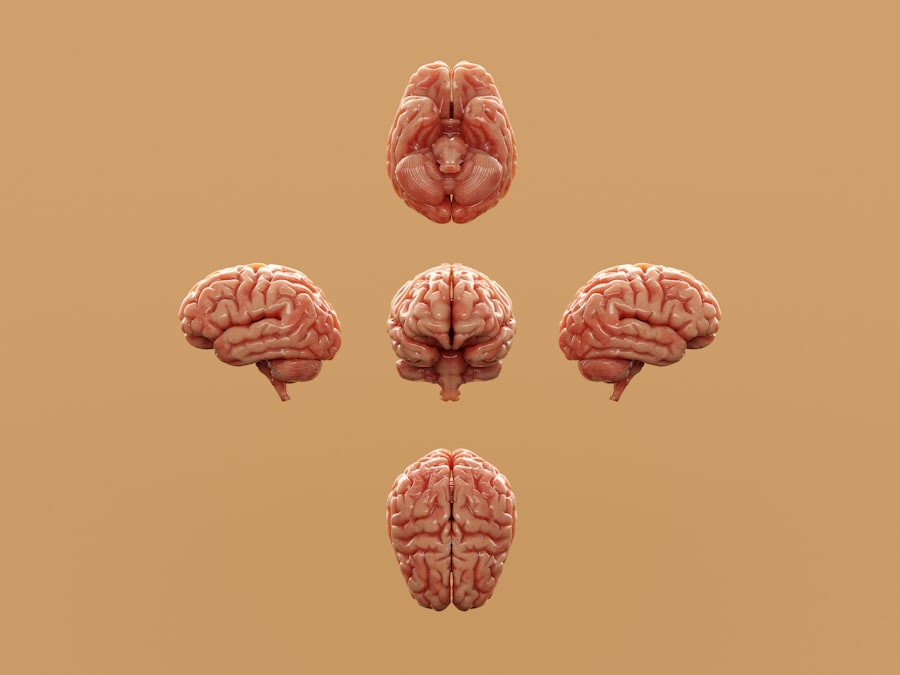
Sleep is not a luxury; it’s a fundamental biological necessity for optimal brain function. During sleep, your brain is far from inactive.
The Deep Cleaning Cycle
While you sleep, your brain engages in critical maintenance and repair processes, often referred to as “housekeeping.”
Synaptic Pruning
During the day, your brain forms countless new synaptic connections. Sleep allows the brain to eliminate weaker or unnecessary connections, making the remaining ones stronger and more efficient. This process, called synaptic pruning, is vital for learning and memory consolidation.
Waste Removal (The Glymphatic System)
Recent research has revealed the glymphatic system, a waste-clearance pathway in the brain that is significantly more active during sleep. It flushes out toxins and metabolic byproducts that build up during waking hours, including proteins linked to neurodegenerative diseases like Alzheimer’s.
Memory Consolidation and Learning
Sleep is paramount for transforming short-term memories into long-term storage.
Stages of Sleep and Memory
Different stages of sleep, particularly REM (Rapid Eye Movement) and deep non-REM sleep, play distinct roles. REM sleep is thought to be important for processing emotional memories and complex learning, while deep sleep is crucial for consolidating factual and procedural memories.
The “Sleep On It” Phenomenon
Ever struggled with a problem, gone to sleep, and woken up with a solution? This is your brain working on it during sleep, consolidating information and making new associations. Getting enough quality sleep can literally improve your problem-solving skills.
Emotional Regulation and Mental Well-being
Adequate sleep is deeply intertwined with our emotional resilience.
Mood Swings and Irritability
Sleep deprivation can significantly impair your ability to regulate emotions, leading to increased irritability, anxiety, and a greater susceptibility to stress. It can make even minor annoyances feel overwhelming.
Long-Term Mental Health
Chronic sleep deprivation is linked to a higher risk of developing mental health issues like depression and anxiety disorders. Prioritizing sleep is a proactive step in safeguarding your mental well-being.
Stimulation and Learning: Keeping Your Brain Agile
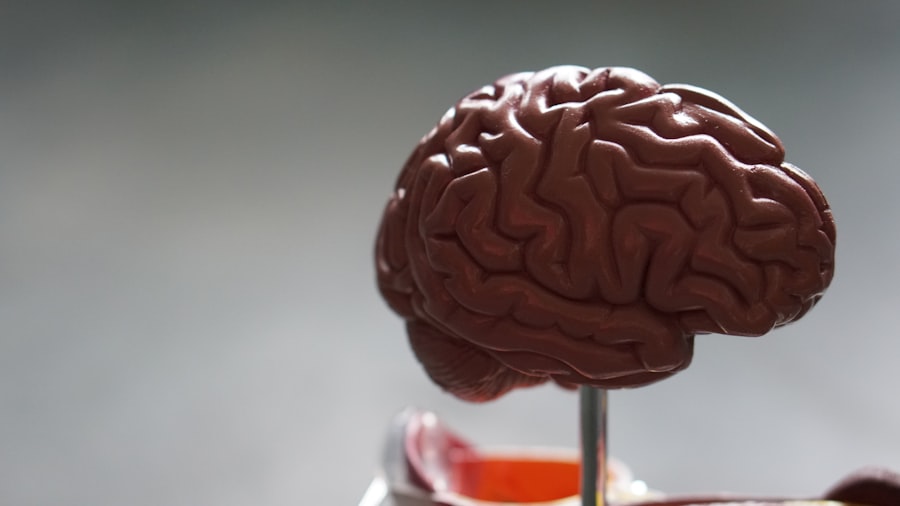
Your brain thrives on new challenges and experiences. Just like a muscle, it needs regular workouts to stay strong and adaptable.
The Power of Novelty
Introducing novelty into your routine is a powerful way to activate different parts of your brain and build new neural pathways.
Breaking Routine
Even small changes, like taking a different route to work, trying a new recipe, or listening to a different genre of music, can stimulate your brain. These breaks from routine force your brain to pay attention and adapt.
Learning New Skills
The most effective way to stimulate your brain is to actively learn new skills. This could be anything from a new language or musical instrument to coding or a new sport. The more complex the skill, the greater the cognitive engagement.
The Benefits of Continuous Learning
Engaging in lifelong learning isn’t just about accumulating knowledge; it’s about maintaining cognitive health.
Cognitive Reserve
Continuous learning helps build “cognitive reserve,” which is the brain’s ability to improvise and find alternative ways to get a job done when one path is damaged. This reserve can help delay the onset of cognitive decline and symptoms associated with dementia.
Enhanced Problem-Solving
Being exposed to diverse information and learning different ways to approach problems sharpens your critical thinking and problem-solving abilities. You become more adept at finding creative solutions.
Mental Exercises and Games
While not a replacement for genuine learning, brain games and puzzles can offer some benefits.
Targeted Stimulation
Certain brain games can target specific cognitive functions like memory, attention, and processing speed. They can provide a form of mental exercise and help keep those specific circuits engaged.
The Caveat
It’s important to remember that simply playing a game that claims to “boost your brain” might not translate to real-world cognitive improvements unless the skills practiced within the game are actively applied and reinforced in other areas of your life. True learning and novel experiences are generally more impactful.
The intricate workings of the brain continue to fascinate researchers, especially in how it processes emotions and memories during significant events. For instance, the festive season often evokes strong feelings tied to personal and cultural traditions. A related article explores the global significance of Christmas and its impact on collective memory and emotional well-being. You can read more about this fascinating connection in the article here. Understanding these dynamics can provide deeper insights into how our brains respond to such meaningful experiences.
Stress Management: Protecting Your Brain’s Performance
| Category | Metrics |
|---|---|
| Brain Size | Average human brain size is about 1.4 kilograms |
| Neurons | The brain contains about 86 billion neurons |
| Brain Development | The human brain is not fully developed until the age of 25 |
| Brain Functions | Controls thoughts, memory, speech, movement, and more |
Chronic stress is like a constant barrage of negative input for your brain, impairing its function and long-term health. Learning to manage it is crucial.
The Biological Impact of Stress
When you experience stress, your body releases cortisol and adrenaline. While useful in short bursts for a “fight or flight” response, prolonged exposure has detrimental effects.
Cortisol’s Toll
Chronically elevated cortisol levels can damage the hippocampus, a key area for learning and memory. It can shrink its size, making it harder to form new memories and recall existing ones.
Impact on Neurotransmitters
Stress can also disrupt the balance of neurotransmitters like dopamine and serotonin, impacting mood, motivation, and focus. This is why prolonged stress can lead to feelings of apathy and depression.
Effective Stress Reduction Techniques
Fortunately, there are many practical ways to combat stress.
Mindfulness and Meditation
These practices train your brain to focus on the present moment, reducing rumination on past events or anxieties about the future. They can lead to reduced cortisol levels and increased gray matter in areas associated with self-awareness and compassion.
- Simple breathing exercises: Taking slow, deep breaths can immediately activate your parasympathetic nervous system, counteracting the stress response.
- Body scan meditation: Gently bringing awareness to different parts of your body can help release tension and promote relaxation.
Physical Activity
As mentioned in the nutrition section, exercise is a powerful stress reliever.
- Endorphin release: Physical activity triggers the release of endorphins, natural mood boosters that can alleviate stress and improve feelings of well-being.
- Distraction and focus: Exercise provides a healthy outlet for pent-up energy and can serve as a distraction from stressors.
- Improved sleep: Regular exercise often leads to better sleep quality, further aiding stress recovery.
Social Connection
Strong social ties are a significant buffer against stress.
- Emotional support: Talking to friends and family about your worries can provide perspective and emotional relief.
- Sense of belonging: Feeling connected to others combats feelings of isolation, which can exacerbate stress.
Hobbies and Creative Outlets
Engaging in activities you enjoy can provide much-needed respite and improve your mood.
- Flow state: Hobbies can induce a state of “flow,” where you’re fully immersed and lose track of time, which is inherently stress-reducing.
- Sense of accomplishment: Completing a creative project or mastering a new aspect of a hobby provides a sense of achievement and boosts self-esteem.
By understanding these core principles – the brain’s remarkable adaptability, the vital role of nutrition and sleep, the necessity of mental stimulation, and the critical impact of stress management – you can begin to truly unleash the power that lies within your own mind. It’s not about quick fixes, but about consistent, informed practices that support your brain’s natural capabilities.