

Ever wondered how to get a bit more out of that amazing squishy thing between your ears? You’re not alone. The good news is, you don’t need fancy supplements or extreme diets to improve your brainpower. A lot of it comes down to understanding how your brain works and making some practical, everyday adjustments. Let’s dive into some straightforward ways to give your brain a boost, keep it healthy, and maybe even unlock a little more of its potential.
Think of your brain like a high-performance engine. It needs the right kind of fuel to run smoothly. What you put into your body directly impacts how your brain functions, from your mood to your memory.
The Good Fats: Not All Fats Are Bad
When we talk about brain health, certain fats are superstars.
- Omega-3 Fatty Acids: These are crucial. They’re building blocks for brain cells and are essential for learning and memory. You’ll find them in fatty fish like salmon, mackerel, and sardines. If fish isn’t your thing, walnuts, flax seeds, and chia seeds are good plant-based sources. Aim for a few servings a week.
- Monounsaturated Fats: Avocados, nuts, and olive oil falls into this category. They’re good for overall heart health, which, in turn, is great for your brain. Healthy blood flow means your brain gets the oxygen and nutrients it needs.
Power Up with Antioxidants
These compounds protect your brain cells from damage. Think of them as tiny bodyguards against harmful molecules called free radicals.
- Berries: Blueberries, strawberries, raspberries – they’re packed with antioxidants and have been linked to improved memory and cognitive function. A handful a day can make a difference.
- Dark Leafy Greens: Spinach, kale, collard greens. These aren’t just for salads; they’re brain food powerhouses. They contain vitamins K, lutein, folate, and beta-carotene, all linked to protecting cognitive decline.
- Dark Chocolate: Yes, really! In moderation, dark chocolate (with a high cocoa content, 70% or more) contains flavonoids, a type of antioxidant that can improve blood flow to the brain and boost mood.
The Gut-Brain Connection: More Than Just Digestion
Your gut is often called your “second brain” for a good reason. It’s teeming with bacteria, and the balance of these microbes can significantly affect your brain.
- Probiotic-Rich Foods: Fermented foods like yogurt, kefir, sauerkraut, and kimchi introduce beneficial bacteria into your gut. A healthy gut microbiome has been linked to reduced anxiety, improved mood, and better cognitive function.
- Prebiotic-Rich Foods: These are foods that feed the good bacteria already in your gut. Think of them as fertilizer. Onions, garlic, bananas, and oats are great sources.
- Fiber is Your Friend: Beyond just prebiotics, a good intake of fiber keeps things moving smoothly and supports a diverse gut microbiome, indirectly benefiting brain health.
What to Limit (or Avoid)
While focusing on the good stuff, it’s also helpful to be mindful of what might hinder your brain’s performance.
- Processed Foods: These are often high in unhealthy fats, added sugars, and sodium, none of which are good for your brain. They can contribute to inflammation and cognitive decline.
- Excessive Sugar: While your brain needs glucose, too much added sugar can impair memory and learning. It also contributes to inflammation.
- Alcohol: Moderate amounts might have some benefits for some, but regular heavy drinking is undeniably detrimental to brain health, impacting memory, judgment, and overall cognitive function.
For those interested in exploring the fascinating intersection of artificial intelligence and cognitive science, a related article can be found at this link. It delves into how AI technologies, like chatbots, can enhance our understanding of human brain functions and improve learning processes, making it a valuable read for anyone curious about the implications of AI on our cognitive abilities.
Moving Your Body, Sharpening Your Mind
It’s not just about what you eat; how you move yourself physically plays a massive role in brain health. Exercise isn’t just for your muscles or your waistline; it’s a powerful brain booster.
Boost Blood Flow and Oxygen
When you exercise, your heart pumps more blood. This increased blood flow means more oxygen and nutrients reach your brain.
- Aerobic Exercise: Things like brisk walking, jogging, swimming, or cycling get your heart rate up and blood pumping. Aim for at least 150 minutes of moderate-intensity aerobic activity per week.
- Improved Brain Function: Regular aerobic exercise can lead to improved memory, attention, and processing speed. It even promotes the growth of new brain cells in areas responsible for memory and learning.
Neurotransmitters on Demand
Exercise stimulates the release of various chemicals in your brain that make you feel good and think more clearly.
- Endorphins: These are natural mood elevators, reducing stress and anxiety, which can cloud your thinking.
- Dopamine and Serotonin: These neurotransmitters play key roles in mood, motivation, and focus. Exercise can help regulate their levels, potentially combating depression and improving cognitive stamina.
- BDNF (Brain-Derived Neurotrophic Factor): This is often called “Miracle-Gro for the brain.” Exercise significantly increases BDNF, which supports the survival of existing neurons and encourages the growth of new ones, crucial for learning and memory.
Reducing Stress and Inflammation
Chronic stress and inflammation are silent enemies of brain health. Exercise is a powerful antidote.
- Stress Reduction: Physical activity acts as a stress reliever, helping to clear your mind and reduce the physiological impact of stress on your brain.
- Anti-Inflammatory Effects: Regular exercise has anti-inflammatory properties, which can protect your brain from damage and disease.
It’s Never Too Late (or Too Early)
Whether you’re 20 or 70, starting or continuing an exercise routine will benefit your brain. You don’t need to become an elite athlete; consistency is key. Even short bursts of activity throughout the day add up.
The Power of Sleep: Your Brain’s Reset Button
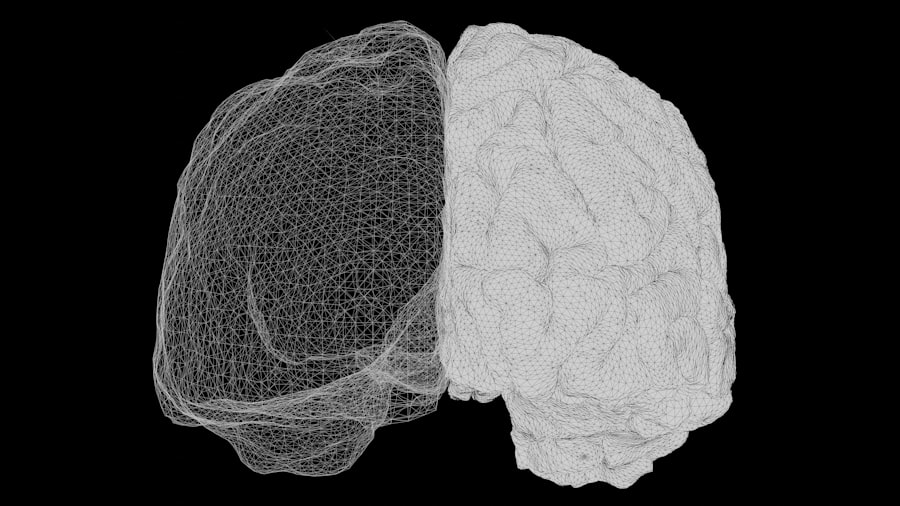
We often cut corners on sleep, seeing it as unproductive time. But for your brain, sleep is far from idle. It’s a critical period of maintenance and consolidation.
Memory Consolidation
Think of your brain during the day as constantly taking in information. During sleep, particularly during deep sleep and REM sleep, your brain actively processes and archives these memories.
- Short-Term to Long-Term: Sleep is essential for transferring information from short-term memory to more stable long-term storage. If you’re learning something new, skimping on sleep will make it harder to retain.
- Skill Learning: Practicing a new skill (like playing an instrument or a sport) is enhanced by a good night’s sleep. Your brain literally rehearses and refines those motor patterns while you rest.
Brain Detoxification
During the day, your brain’s cells are busy, producing metabolic waste products. One particularly nasty one is beta-amyloid, which is associated with Alzheimer’s disease.
- Glymphatic System: This is like your brain’s unique plumbing system. During sleep, it becomes more active, flushing out these toxins and waste products. Without adequate sleep, these can accumulate, potentially contributing to cognitive decline.
Mood Regulation and Emotional Processing
Lack of sleep makes you cranky, easily frustrated, and less resilient to stress. This isn’t just an anecdotal observation; it’s rooted in brain science.
- Amygdala: This part of your brain handles emotions. Sleep deprivation can make the amygdala overactive, leading to heightened emotional responses and difficulty regulating your feelings.
- Prefrontal Cortex: This area is responsible for rational decision-making and impulse control. When you’re tired, its connection to the amygdala weakens, making you more prone to emotional outbursts and poor choices.
Practical Sleep Tips
Getting enough quality sleep isn’t always easy, but a few habits can make a big difference.
- Consistent Schedule: Try to go to bed and wake up around the same time each day, even on weekends. This helps regulate your body’s natural sleep-wake cycle (circadian rhythm).
- Optimize Your Sleep Environment: Make your bedroom dark, quiet, and cool. Block out light, use earplugs if needed, and keep the temperature comfortable.
- Wind-Down Routine: An hour before bed, start calming down. Avoid screens, bright lights, heavy meals, and intense exercise. Instead, read a book, listen to calming music, or take a warm bath.
- Limit Caffeine and Alcohol: While alcohol might make you feel sleepy, it disrupts sleep quality later in the night. Caffeine too close to bedtime is an obvious no-go.
Lifelong Learning: Keep Your Brain Engaged
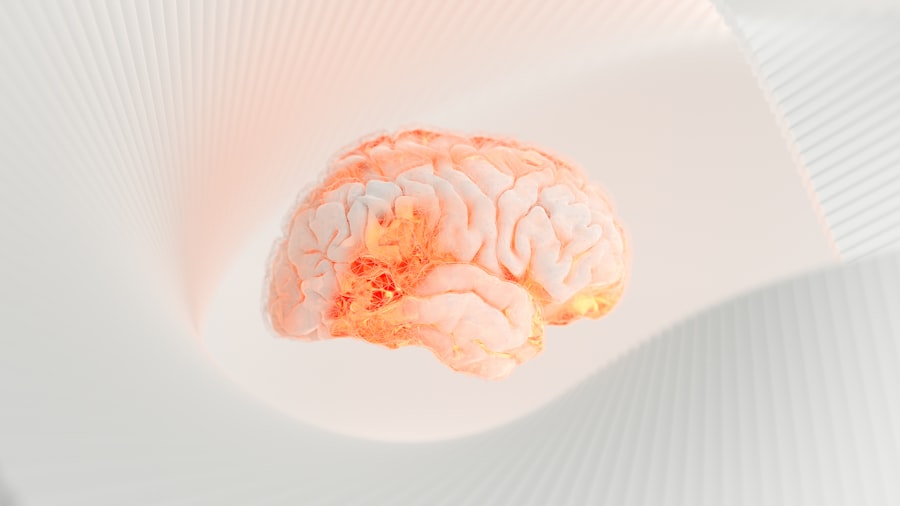
Your brain is incredibly adaptable, a concept known as neuroplasticity. Use it or lose it isn’t just a catchy phrase; it has a lot of truth when it comes to your brain.
Building New Neural Pathways
Every time you learn something new, your brain forms new connections (synapses) between neurons. This strengthens existing pathways and creates entirely new ones.
- Mental Stimulation: Learning a new language, taking up a musical instrument, solving puzzles (like Sudoku or crosswords), or even learning a new skill at work all challenge your brain and promote this neuroplasticity.
- Reading: Don’t underestimate the power of reading. It engages multiple brain networks and keeps your mind sharp. Try different genres for variety.
The Benefits of Challenge and Novelty
Your brain thrives on novelty and moderate challenge. Doing the same routine day in and day out, while comfortable, doesn’t offer the same cognitive benefits.
- Step Out of Your Comfort Zone: Try a new hobby, travel to an unfamiliar place, or take a different route to work. These small changes force your brain to adapt and pay attention.
- Embrace Discomfort (Intellectually): Don’t shy away from complex topics or problems. Wrestling with a difficult concept strengthens your cognitive muscles.
Social Interaction and Brain Health
Often overlooked, our social lives are profoundly intertwined with cognitive health.
- Cognitive Stimulation: Engaging in conversations, debating ideas, and interacting with others requires your brain to process information, respond appropriately, and maintain focus.
- Emotional Well-being: Strong social connections reduce feelings of isolation and loneliness, which are risk factors for cognitive decline and depression. Being part of a community provides a sense of purpose and belonging, both protective factors for brain health.
- Learning from Others: Every interaction is an opportunity to learn something new, whether it’s a different perspective or a new piece of information.
In exploring the intricate workings of the brain, one might find it fascinating to consider how travel experiences can influence cognitive function and emotional well-being. A related article discusses the impact of travel on mental health, highlighting the benefits of new environments and cultural immersion. For more insights on this topic, you can read the article here: travel and mental health. Engaging with different cultures not only broadens perspectives but also stimulates various areas of the brain, enhancing creativity and problem-solving skills.
Managing Stress: Protect Your Brain from Overload
| Category | Metrics |
|---|---|
| Brain Size | Average human brain size is about 1.4 kilograms |
| Neurons | The brain contains about 86 billion neurons |
| Brain Development | The human brain is not fully developed until the age of 25 |
| Brain Functions | Controls thoughts, memory, speech, movement, and more |
Stress is an unavoidable part of life, but chronic, unmanaged stress is particularly damaging to your brain. It’s not just about feeling frazzled; it impacts your cognitive abilities and long-term brain health.
The Impact of Chronic Stress
When you’re constantly under pressure, your body releases stress hormones like cortisol. While helpful in short bursts for immediate threats, prolonged exposure is detrimental.
- Shrinking Brain Regions: Chronic stress can actually lead to a reduction in the size of the hippocampus, a brain area critical for memory and learning. It can also affect other areas like the prefrontal cortex, impairing decision-making and self-control.
- Impaired Memory and Learning: High cortisol levels interfere with the brain’s ability to form and retrieve memories. You might find it harder to concentrate or remember new information when stressed.
- Increased Inflammation: Chronic stress contributes to systemic inflammation, which is harmful to brain cells and can accelerate cognitive decline.
Practical Stress Management Techniques
You can’t eliminate stress, but you can build resilience and healthier coping mechanisms.
- Mindfulness and Meditation: Even a few minutes a day can make a big difference. These practices train your brain to be present, observe thoughts without judgment, and reduce the body’s stress response. There are many apps and guided meditations available to get you started.
- Deep Breathing Exercises: Simple controlled breathing can quickly activate your parasympathetic nervous system, which promotes relaxation and reduces fight-or-flight responses. Try box breathing: inhale for 4 counts, hold for 4, exhale for 4, hold for 4, and repeat.
- Journaling: Writing down your thoughts and feelings can be a powerful way to externalize stress, gain perspective, and process emotions rather than letting them fester.
- Maintain Boundaries: Learn to say no. Overcommitting yourself or constantly striving for perfection can be a huge source of stress. Understand your limits and protect your time and energy.
- Connect with Nature: Spending time outdoors, even just a walk in a park, can significantly reduce stress levels and improve mood. It provides a break from synthetic environments and allows for mental decompression.
- Humor and Laughter: Don’t underestimate the power of a good laugh. Laughter releases endorphins, reduces stress hormones, and can provide a much-needed mental break.
- Seeking Support: Don’t hesitate to talk to trusted friends, family, or a professional if stress feels overwhelming. Sometimes, an external perspective or professional guidance is what’s needed.
Unlocking your brain’s potential isn’t about magic; it’s about consistently making choices that support its incredible capabilities. By focusing on smart nutrition, regular movement, quality sleep, continuous learning, and mindful stress management, you’re not just enhancing your cognitive function today, but investing in your long-term brain health. Start small, be consistent, and observe the positive changes unfold.