

ChatGPT serves as a powerful tool designed to facilitate human-computer interaction through natural language processing. Its primary purpose is to assist users in generating text-based responses that can range from casual conversation to more complex inquiries. By leveraging vast amounts of data, ChatGPT can provide information, answer questions, and even engage in creative writing.
Understanding this purpose is crucial for users to maximize the benefits of the technology while minimizing potential pitfalls. Moreover, the versatility of ChatGPT allows it to be applied across various domains, including education, customer service, content creation, and personal assistance. This adaptability means that users can tailor their interactions based on specific needs, whether they are seeking quick answers or in-depth discussions.
Recognizing the multifaceted nature of ChatGPT empowers users to approach it with a clear mindset, ensuring that they utilize its capabilities effectively.
Key Takeaways
- Clearly define the purpose and objectives before using ChatGPT to maximize effectiveness.
- Craft precise prompts and provide sufficient context to get accurate and relevant responses.
- Use appropriate language and tone to ensure smooth and meaningful interactions with ChatGPT.
- Always review and edit ChatGPT’s outputs to maintain quality and correctness.
- Employ ChatGPT responsibly, seek feedback, and continuously improve your interaction strategies.
Setting Clear Objectives for ChatGPT Usage
Before engaging with ChatGPT, it is essential to establish clear objectives for its use. This involves identifying what you hope to achieve through your interactions. Are you looking for information on a specific topic, brainstorming ideas, or seeking assistance with writing?
By defining your goals upfront, you can streamline your interactions and make them more productive. Setting objectives also helps in measuring the effectiveness of your engagement with ChatGPT. For instance, if your goal is to generate content for a blog post, you can assess the quality and relevance of the responses based on how well they align with your intended message.
This clarity not only enhances your experience but also fosters a more focused dialogue with the AI, leading to better outcomes. You can find all the resources you need for your next class at class.
Choosing the Right Context for ChatGPT Interaction

The context in which you engage with ChatGPT significantly influences the quality of the interaction. Different scenarios may require different approaches; for example, a casual conversation may allow for more relaxed language and tone, while a professional inquiry demands precision and formality. Understanding the context helps in framing your questions and prompts appropriately.
Additionally, the environment in which you use ChatGPT can affect your experience. Engaging in a quiet space where you can concentrate allows for deeper thought and more meaningful exchanges. Conversely, distractions may lead to misunderstandings or incomplete responses.
By choosing the right context, you set the stage for a productive interaction that aligns with your objectives.
Crafting Effective Prompts for ChatGPT
The effectiveness of your interaction with ChatGPT largely hinges on how well you craft your prompts. A well-structured prompt provides clarity and direction, enabling the AI to generate relevant responses.
For instance, instead of asking, “Tell me about climate change,” you might ask, “What are the primary causes of climate change and their impacts on global weather patterns?” Moreover, experimenting with different phrasing can yield varied results. If a response does not meet your expectations, rephrasing your prompt or providing additional details can help refine the output. This iterative process encourages a more dynamic interaction and allows you to explore different angles of a topic.
Using Proper Language and Tone in Interactions with ChatGPT
| Common Mistake | Explanation | Right Way | Expected Outcome |
|---|---|---|---|
| Vague Prompts | Users input unclear or broad questions. | Use specific, detailed prompts with context. | More accurate and relevant responses. |
| Single-step Queries | Asking complex questions in one go. | Break down queries into smaller, manageable parts. | Better understanding and thorough answers. |
| Ignoring Follow-ups | Not refining or clarifying after initial response. | Engage in iterative conversation to improve output. | Enhanced precision and tailored information. |
| Over-reliance on ChatGPT | Using ChatGPT as the sole source without verification. | Cross-check facts and supplement with other sources. | More reliable and trustworthy information. |
| Not Using System Instructions | Failing to set the context or role for ChatGPT. | Provide system-level instructions to guide responses. | Responses aligned with desired tone and style. |
The language and tone you use when interacting with ChatGPT can significantly impact the quality of the responses you receive. While ChatGPT is designed to understand a wide range of language styles, using clear and concise language enhances comprehension. Avoiding overly complex vocabulary or convoluted sentence structures can lead to more accurate interpretations by the AI.
Additionally, consider the tone you wish to convey in your interaction. If you’re seeking professional advice or information, maintaining a formal tone is advisable. Conversely, if you’re engaging in a casual conversation or creative brainstorming session, a more relaxed tone may be appropriate.
Tailoring your language and tone not only improves communication but also fosters a more engaging dialogue.
Providing Adequate Context and Information
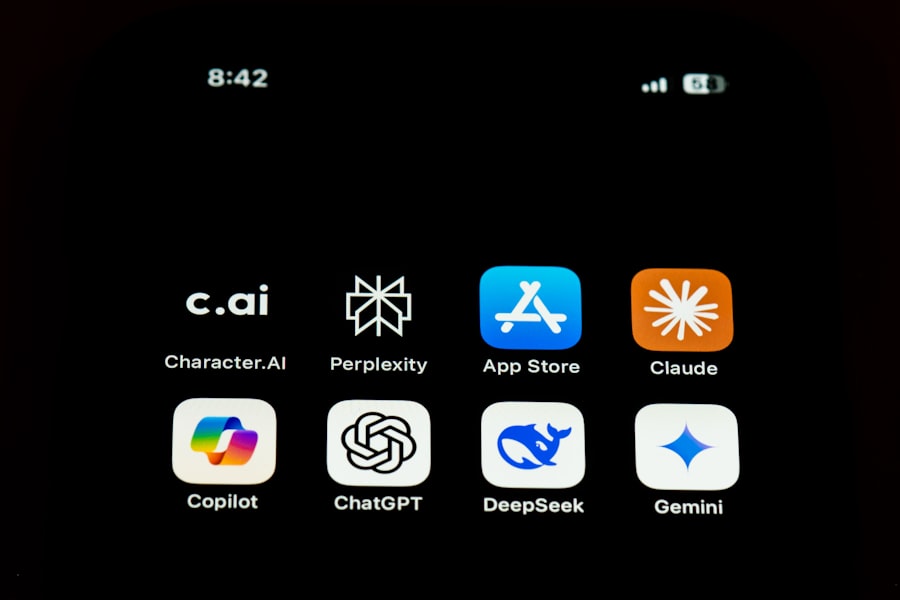
To facilitate meaningful interactions with ChatGPT, providing adequate context and information is essential. The AI relies on the details you share to generate relevant responses. When posing questions or requests, consider including background information that may help clarify your intent.
For example, if you’re asking for writing assistance on a specific topic, mentioning your target audience or desired style can lead to more tailored suggestions. Furthermore, context helps prevent misunderstandings that may arise from ambiguous prompts. By offering sufficient detail, you enable ChatGPT to align its responses with your expectations.
This practice not only enhances the quality of the interaction but also fosters a sense of collaboration between you and the AI.
Avoiding Overreliance on ChatGPT
While ChatGPT is a valuable resource, it is crucial to avoid overreliance on its capabilities. The AI is designed to assist and augment human creativity and decision-making rather than replace it entirely. Users should approach interactions with a critical mindset, recognizing that not all responses will be perfect or applicable to every situation.
Encouraging independent thought and analysis is vital in maintaining a balanced relationship with technology. Use ChatGPT as a tool for inspiration or guidance but ensure that you apply your judgment and expertise when interpreting its responses. This approach fosters personal growth and enhances your ability to navigate complex topics effectively.
Reviewing and Editing ChatGPT Responses
Once you receive responses from ChatGPT, taking the time to review and edit them is essential for ensuring accuracy and relevance. While the AI can generate impressive text, it may not always align perfectly with your needs or expectations. By critically evaluating the content, you can identify areas that require clarification or adjustment.
Editing also allows you to infuse your voice into the text generated by ChatGPT. This personalization ensures that the final output reflects your style and intent while maintaining coherence and clarity. Engaging in this review process not only enhances the quality of the content but also reinforces your understanding of the subject matter.
Ensuring Ethical and Responsible Use of ChatGPT
As with any technology, ethical considerations play a significant role in how we use ChatGPT. It is essential to approach interactions with integrity and responsibility, particularly when it comes to sensitive topics or information. Users should be mindful of how they frame their questions and requests, ensuring that they do not promote harmful or misleading content.
Additionally, understanding the limitations of ChatGPT is crucial in ensuring responsible use. The AI does not possess consciousness or moral judgment; therefore, it is up to users to apply ethical standards when interpreting its responses. By fostering an environment of respect and accountability, we can harness the potential of ChatGPT while minimizing risks associated with misuse.
Seeking Feedback and Iterating on ChatGPT Interactions
Feedback is an invaluable component of improving interactions with ChatGPT. After each session, take a moment to reflect on what worked well and what could be improved. Did the responses meet your expectations?
Were there areas where additional context would have enhanced clarity? By seeking feedback from yourself or others who may have engaged with the AI, you can identify patterns that inform future interactions. Iterating on your approach based on this feedback fosters continuous improvement in how you engage with ChatGPT.
Experimenting with different prompts or contexts can lead to richer conversations and more satisfying outcomes over time. This iterative process encourages growth not only in your interactions with AI but also in your overall communication skills.
Leveraging ChatGPT for Collaboration and Productivity
ChatGPT can serve as an effective collaborator in various tasks, enhancing productivity across different domains. Whether you’re brainstorming ideas for a project, drafting content, or conducting research, leveraging the AI’s capabilities can streamline processes and inspire creativity. By treating ChatGPT as a partner rather than just a tool, you open up new avenues for collaboration.
Moreover, integrating ChatGPT into your workflow can lead to increased efficiency.
By harnessing its strengths alongside your expertise, you can achieve results that are both innovative and effective.
In conclusion, understanding how to effectively engage with ChatGPT requires a thoughtful approach that encompasses clear objectives, context awareness, effective communication strategies, ethical considerations, and continuous improvement through feedback. By embracing these principles, users can unlock the full potential of this powerful tool while fostering responsible and productive interactions that enhance their work and creativity.
In the article “Most People Use ChatGPT Wrong — Here’s the Right Way,” the author emphasizes the importance of effective communication when utilizing AI tools. For those interested in enhancing their understanding of mindfulness and focus, which can significantly improve interactions with AI, a related article is available on mastering techniques in yoga and sports. You can read more about it in this insightful piece on Mastering the Art of Breath in Yoga and Sports: Unlocking Your Full Potential.
FAQs
What is ChatGPT?
ChatGPT is an AI language model developed by OpenAI that can understand and generate human-like text based on the input it receives. It is used for a variety of applications including answering questions, writing content, and assisting with tasks.
Why do most people use ChatGPT wrong?
Many users do not fully utilize ChatGPT’s capabilities because they provide vague or incomplete prompts, fail to specify the context or desired output, or do not engage interactively to refine responses. This leads to less accurate or useful results.
What is the right way to use ChatGPT?
The right way to use ChatGPT involves giving clear, detailed prompts, specifying the context and format of the desired response, and iteratively refining the input based on the AI’s replies. Engaging in a conversational manner helps improve the quality of the output.
Can ChatGPT understand complex instructions?
Yes, ChatGPT can understand and process complex instructions if they are clearly articulated. Providing step-by-step details or breaking down tasks into smaller parts can help the model generate better responses.
Is it necessary to provide context when using ChatGPT?
Providing context is highly recommended because it helps ChatGPT generate more relevant and accurate responses. Without context, the AI may produce generic or off-target answers.
How can I improve the responses I get from ChatGPT?
To improve responses, be specific with your questions, use precise language, provide examples if possible, and ask follow-up questions to clarify or expand on the information provided.
Are there limitations to what ChatGPT can do?
Yes, ChatGPT has limitations including occasional inaccuracies, inability to access real-time information beyond its training cutoff, and potential biases in its responses. It is important to verify critical information from reliable sources.
Is ChatGPT suitable for professional or academic use?
ChatGPT can be a helpful tool for brainstorming, drafting, and learning, but its outputs should be reviewed and verified before use in professional or academic contexts due to potential errors or lack of citations.
How does iterative prompting help in using ChatGPT effectively?
Iterative prompting involves refining your questions based on previous answers, which helps guide ChatGPT toward more precise and useful responses by narrowing down the focus and clarifying requirements.
Can ChatGPT generate creative content?
Yes, ChatGPT can generate creative content such as stories, poems, and ideas when prompted appropriately. Clear instructions about style, tone, and content help produce better creative outputs.